Toddler Throwing Food? Try These 3 Simple Mealtime Changes
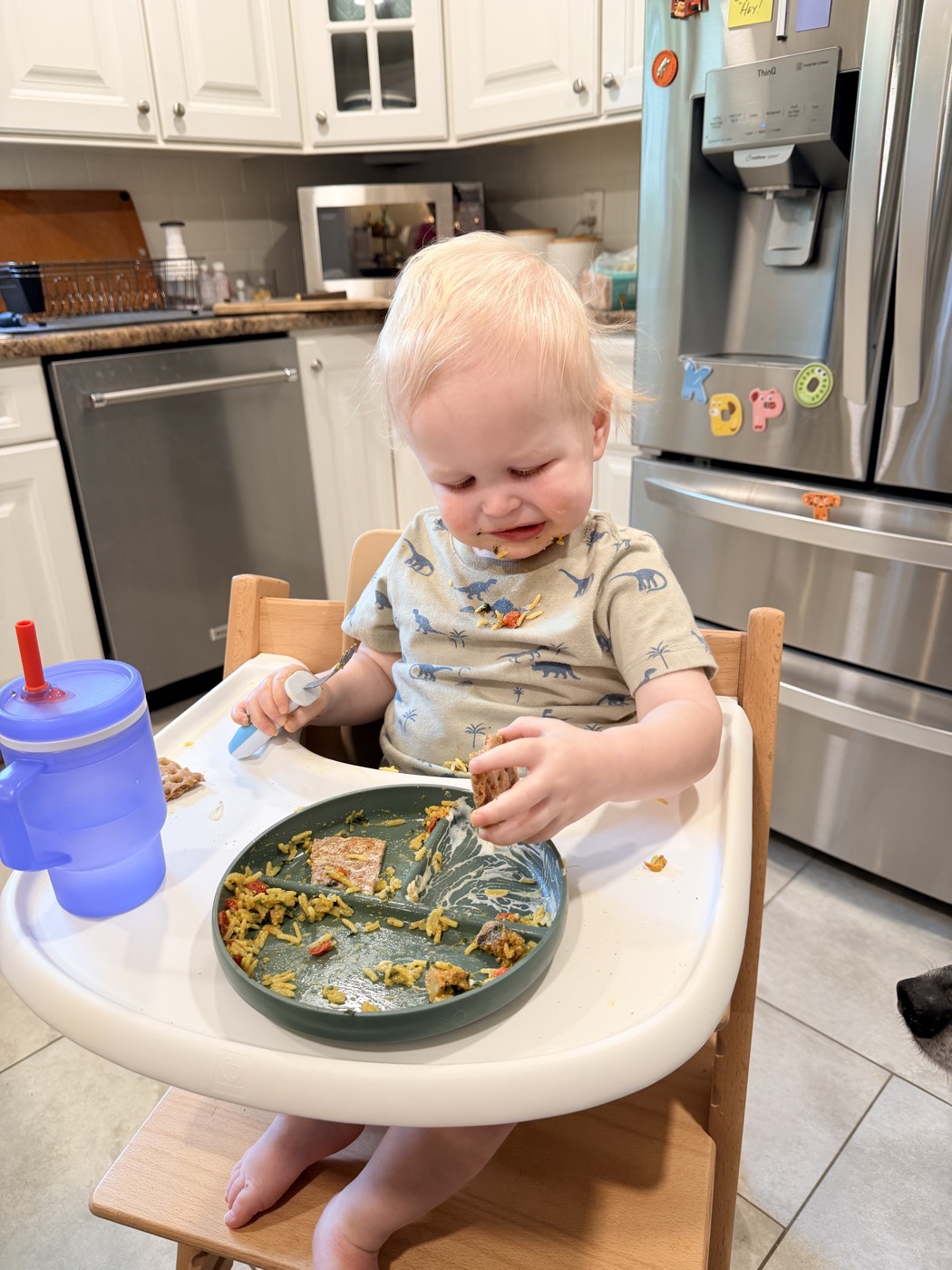
If your toddler has turned mealtimes into a food-tossing event, you are not doing anything wrong, and you are not alone. Food throwing is one of the most common things parents ask me about, and it is almost always a normal part of toddler development rather than misbehavior.
Here is what I want you to know first: throwing food is often communication or exploration. When we understand the why, the how becomes a lot less stressful.
Why do toddlers throw food?
There is rarely one single reason. A toddler might throw food because they are:
- Experimenting with cause and effect ("what happens if I drop this?")
- Feeling full or finished
- Looking for connection or a reaction
- Telling you they don't want a particular food
- Experiencing sensory discomfort with a texture
- Missing the words to say what they need
Once you see food throwing as your child's attempt to explore or communicate, it's easier to respond with patience. Here are three simple changes I often suggest to families.
1. Bring your child to the family table
One reason toddlers throw food is boredom or feeling separated from everyone else. Eating alone on a tray, turned away from the action, just isn't very interesting.
Bringing your child to the family table — pulling the high chair right up to where everyone is eating, or removing the tray so they share the table surface — can make a real difference. When your toddler can watch how you eat, feel included, and stay connected, some of that throwing simply fades.
A few things to keep in mind: only remove the tray if the high chair can still be used safely and your child stays securely positioned and buckled. Good support matters, too. A stable seat and foot support (a footrest, or even a sturdy box under the feet) help your child feel grounded, which supports calmer, more organized eating.
2. Offer an "all-done" bowl
When food goes flying, it often means "I'm done with this" or "I don't want that." An "all-done" bowl gives your toddler somewhere to put unwanted food instead of throwing it.
Place a small bowl next to their plate, and when they start to toss, gently offer it as an option. This small change does a lot: it gives your child a way to communicate, make a choice, and feel some control at the table.
You might say:
- "If you don't want it, you can put it here."
- "You can put it in your all-done bowl."
You can also model the word or sign for "all done" when your child finishes, so they gradually learn a clear way to tell you they're through — no throwing required.
3. Start with smaller portions
A heaping plate can feel visually overwhelming to a toddler, and a big pile is a lot easier (and more fun) to sweep onto the floor. Try offering just a few pieces at a time, then adding more as your child shows interest.
To be clear, the goal isn't to limit how much your child eats — offer more whenever they want it. Starting small is simply about making the plate feel approachable and manageable. As a bonus, it usually means less mess and less wasted food, too.
When extra support can help
These changes help many toddlers, but every child is different, and I would never promise they'll stop food throwing overnight. Stay calm and consistent, keep your expectations realistic, and give new routines time to settle.
Sometimes, though, mealtime struggles point to something worth a closer look. Consider reaching out for extra support if you notice:
- Persistent distress or meltdowns around eating
- Difficulty chewing or managing textures
- Frequent coughing, gagging, or choking during meals
- A limited or shrinking range of accepted foods
Trust your gut. If meals feel consistently hard, it's okay to ask for help.
Let's make mealtimes feel easier
At Well Said Well Fed, I offer individualized feeding therapy for children who need clinical support, and parent coaching for families who want practical, everyday strategies. If you're not sure which fits, that's okay — reach out and we'll figure it out together. You don't have to navigate mealtimes alone.
Written by Kenzie Scott, a pediatric speech-language pathologist and certified lactation counselor and the founder of Well Said Well Fed.
Frequently asked questions
Most toddlers throw food to explore cause and effect, show they're full or don't want something, seek connection, cope with sensory discomfort, or communicate a need they don't yet have words for. It's usually normal development, not misbehavior.
Still have questions about your child?
Every child is different. If you'd like personalized guidance, book a free discovery call and we'll talk it through together.
Fifteen minutes, no cost. I'll tell you honestly whether I'm the right person.
Keep reading
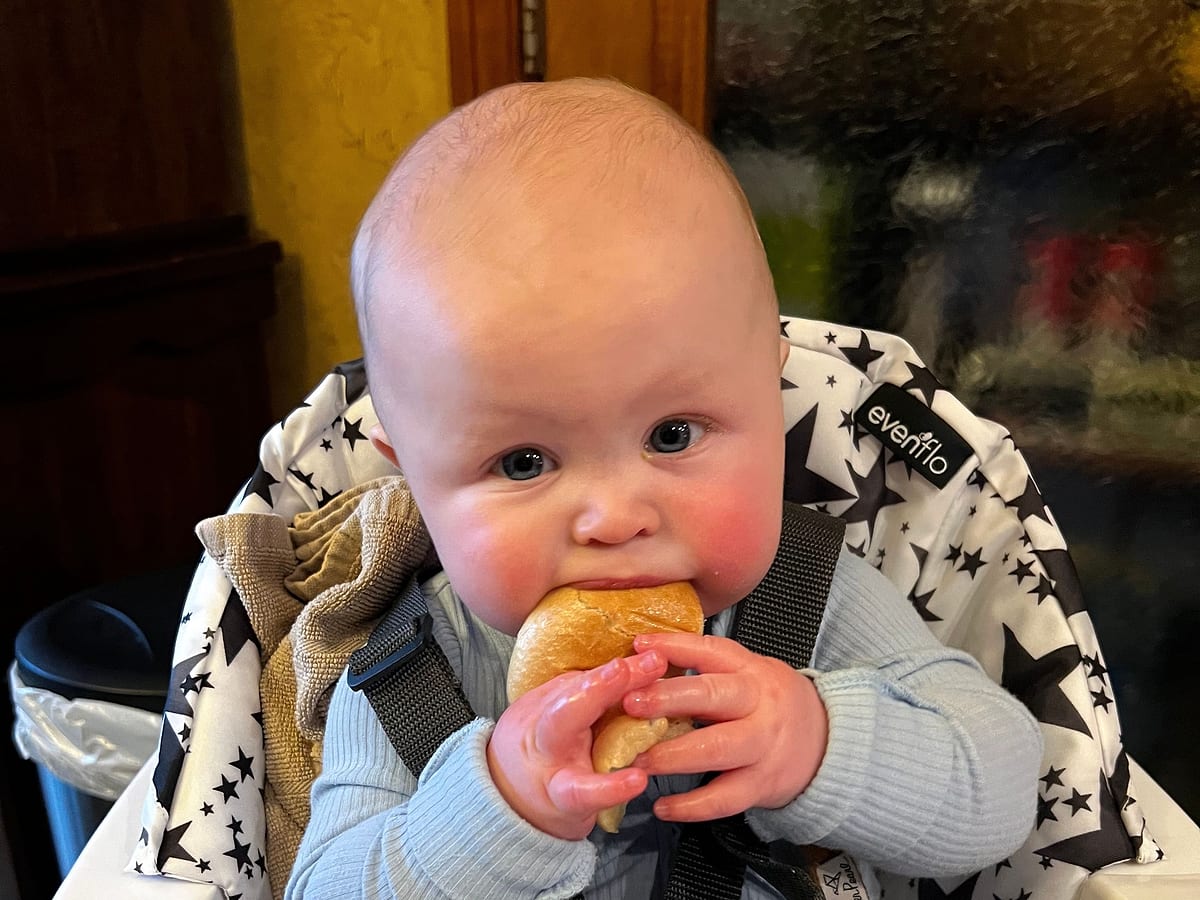
My Baby Gags While Eating: What's Normal and What's Not
July 20, 2026
Gagging can be alarming to watch, but it's often a normal and protective part of learning to eat. Here's how to tell the difference between gagging and choking, and how to help.
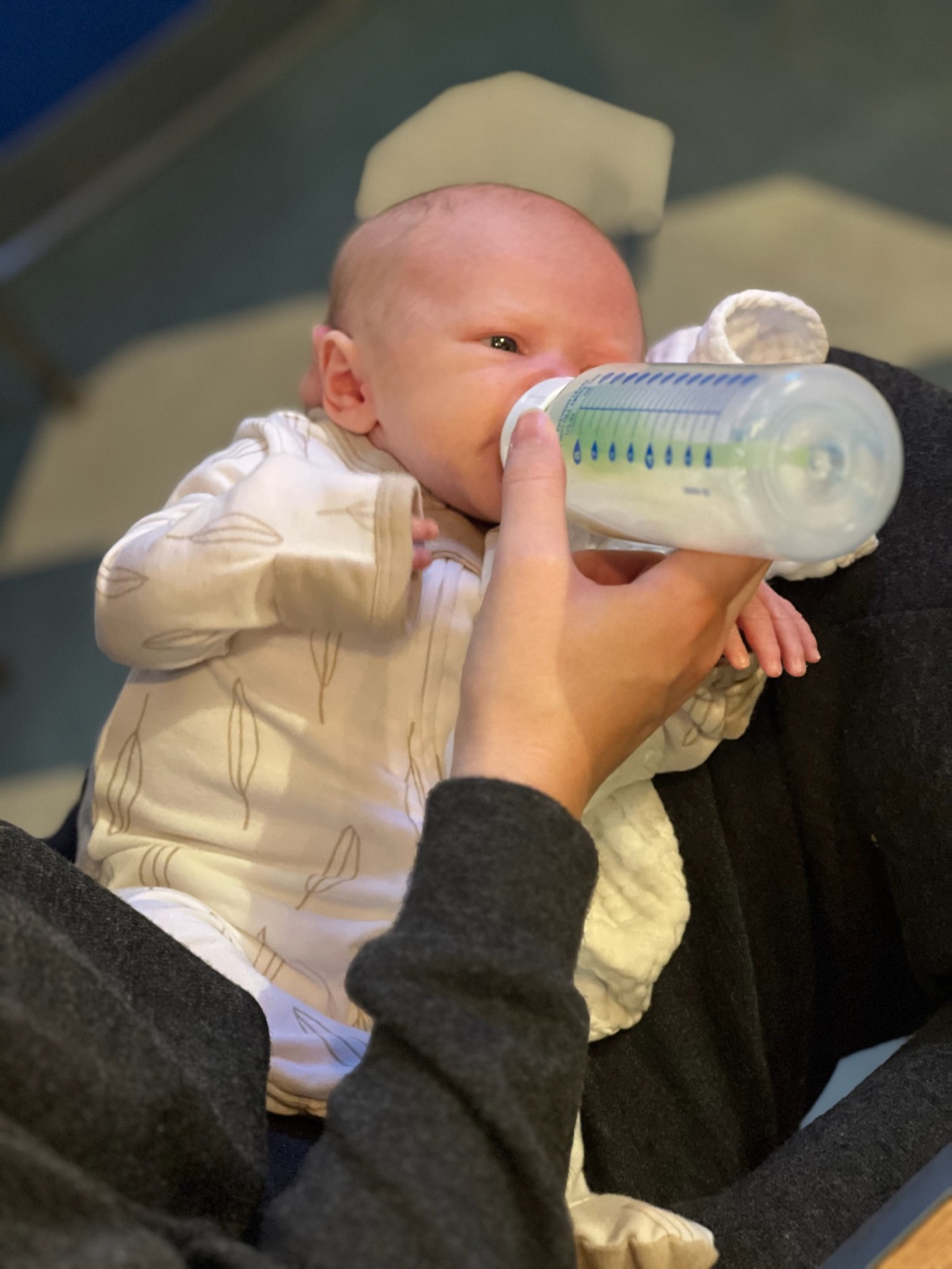
Clicking, Leaking, and Coughing During Bottle Feeds
September 9, 2026
Clicking sounds, milk leaking, coughing, or a baby who tires out during bottle feeds can point to a latch or coordination issue. Here's what these signs may mean.
Signs Your Baby May Need a Feeding Evaluation
September 9, 2026
Not sure whether your baby's feeding needs a closer look? Here are the signs that may point to an infant feeding evaluation, and what to do next.