My Baby Gags While Eating: What's Normal and What's Not
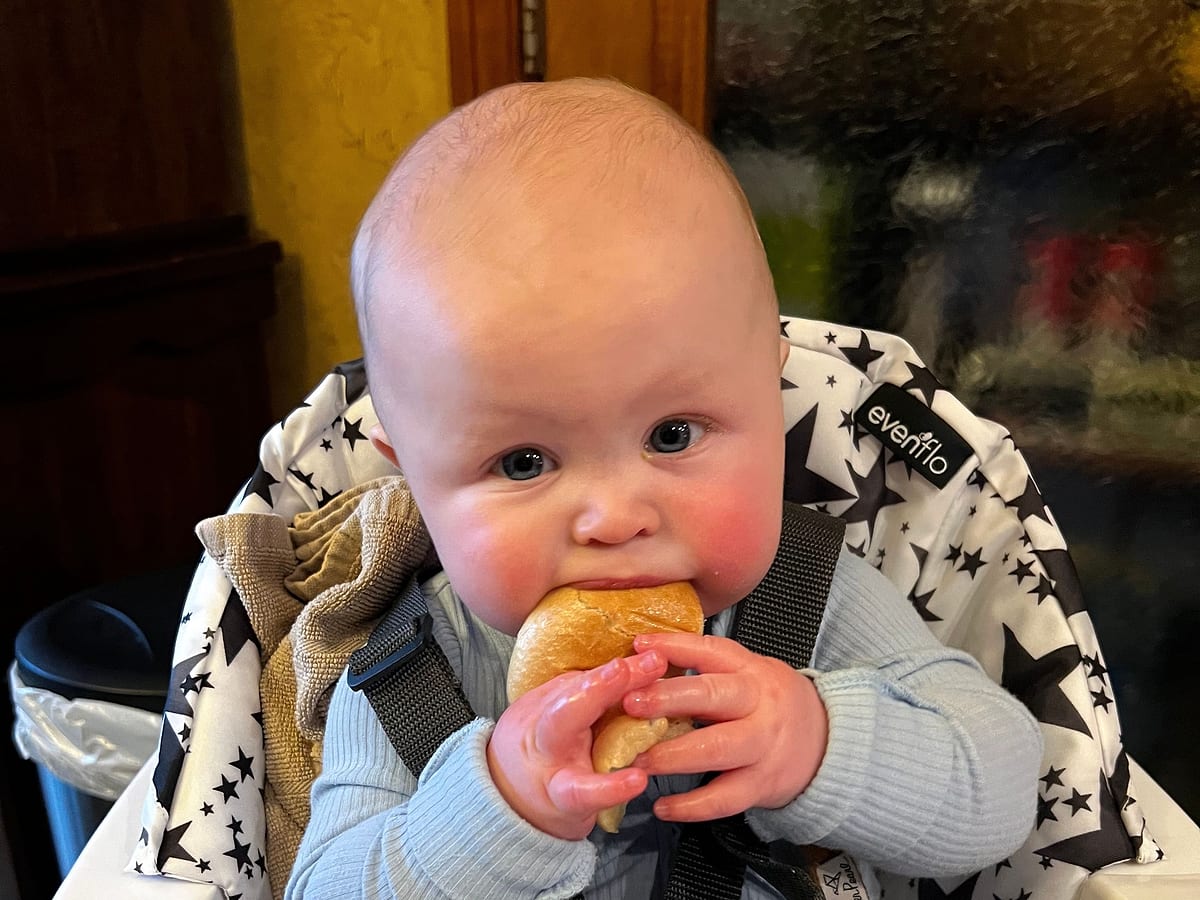
Watching your baby gag during a meal can make your heart drop. Your instinct says something is wrong. But in most cases, gagging is not a sign of danger. It is a sign that your baby is learning.
This guide will help you understand why gagging happens, how to tell it apart from choking, and what you can do to support your baby as they build safe, confident eating skills.
Gagging is not the problem. It is the reflex that protects your baby from the problem.
Why babies gag when they eat
Every baby is born with a gag reflex. In the early months, it sits far forward on the tongue, which is protective while your baby has very little control over food. As your baby practices eating, that reflex gradually moves back.
This means new eaters gag more easily, and that is completely expected. Gagging is how your baby learns where food is in their mouth and how much they can handle at once.
Common reasons for gagging include:
- A new texture the mouth hasn't figured out yet
- Taking too big a bite
- Moving food to the back of the mouth before they're ready
- Simple fatigue or distraction at the end of a meal
Gagging versus choking
This is the single most important distinction for any parent to understand.
| Gagging | Choking | |
|---|---|---|
| Sound | Loud: coughing, sputtering, retching | Silent or high-pitched |
| Color | Red face | Pale or bluish |
| Airway | Open | Blocked |
| What to do | Stay calm, let them work it out | Act immediately with first aid |
Important
[!WARNING] Choking is silent. If your baby cannot make sound, cough, or cry, treat it as an emergency and follow infant choking first aid. Every caregiver should take an infant CPR and choking course before starting solids.
How to help your baby gag less over time
Gagging fades as skills grow. You can support that process gently.
Set up for success
- Seat your baby fully upright, well supported, feet resting on a surface
- Offer food when your baby is calm and alert, not overtired
- Keep mealtimes relaxed and unhurried
Let your baby lead
- Allow self-feeding so your baby controls the pace and size of bites
- Resist the urge to reach into the mouth when they gag
- Model calm: your baby reads your face for whether this is scary
Tip
[!TIP] The best response to a gag is a neutral, encouraging face. If you gasp or panic, your baby learns that eating is frightening. A calm "you're okay, keep going" builds trust.
When gagging deserves a closer look
Occasional gagging is normal. Frequent, persistent gagging is worth attention, especially if it comes with any of these:
- Gagging at nearly every meal, week after week
- Frequent true choking, not just gagging
- Fear or refusal around food
- Poor weight gain or a very limited diet
If that sounds like your child, it may be more than a passing phase, and a feeding evaluation can help.
The bottom line
Gagging is a normal, protective part of learning to eat for most babies. Your job is not to prevent every gag, but to create a calm, safe setup and let your baby build skills at their own pace. With time and practice, gagging becomes less frequent as your confident little eater grows.
Frequently asked questions
No. Gagging is a normal, protective reflex that keeps food from going down before your baby is ready, and it is usually loud with coughing or watery eyes. Choking is silent and dangerous because the airway is blocked. Knowing the difference helps you respond calmly.
Still have questions about your child?
Every child is different. If you'd like personalized guidance, book a free discovery call and we'll talk it through together.
Keep reading
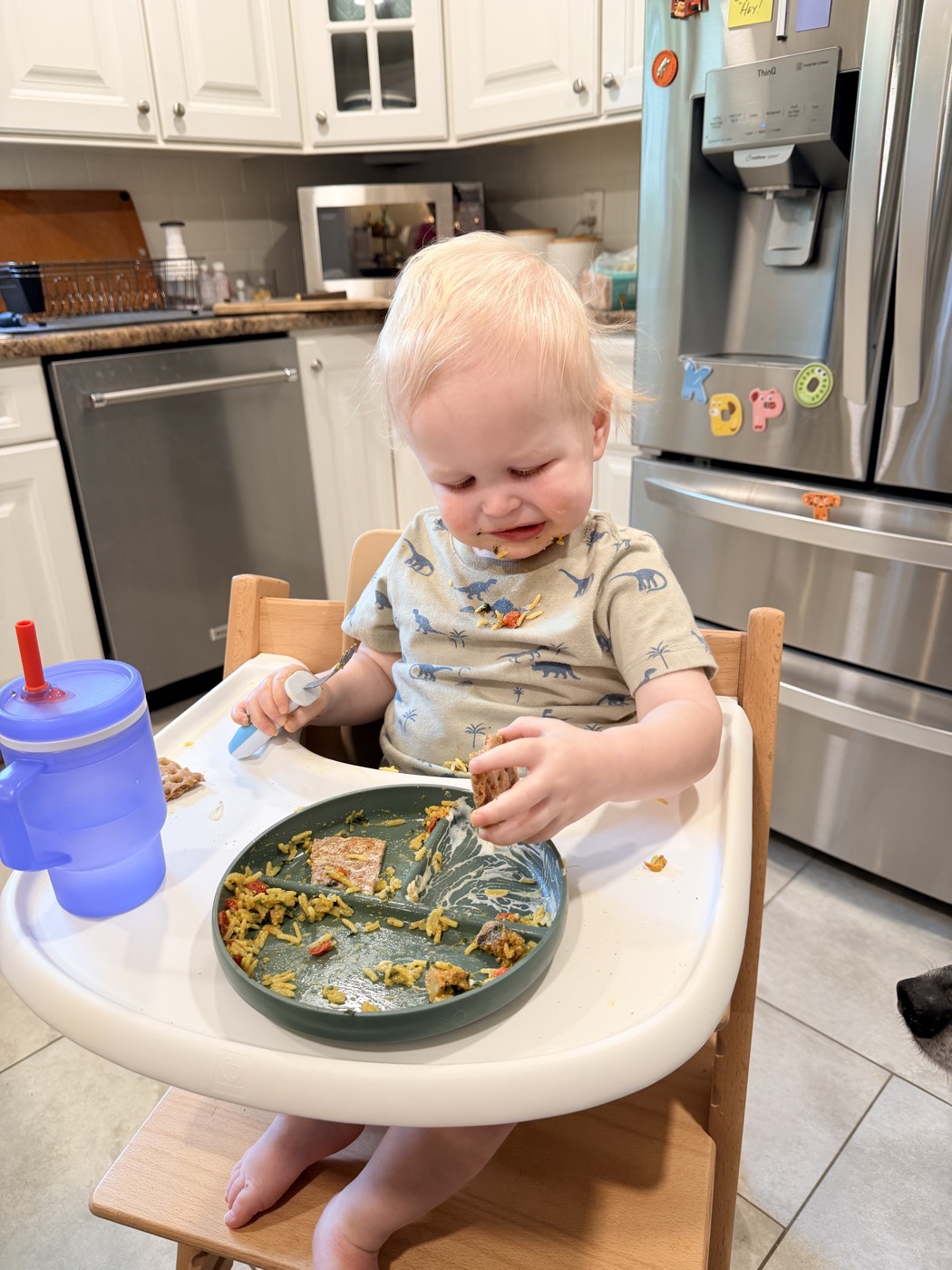
Toddler Throwing Food? Try These 3 Simple Mealtime Changes
August 24, 2026
Wondering why your toddler keeps throwing food? A pediatric feeding therapist shares three simple, low-stress mealtime changes for calmer meals at home.
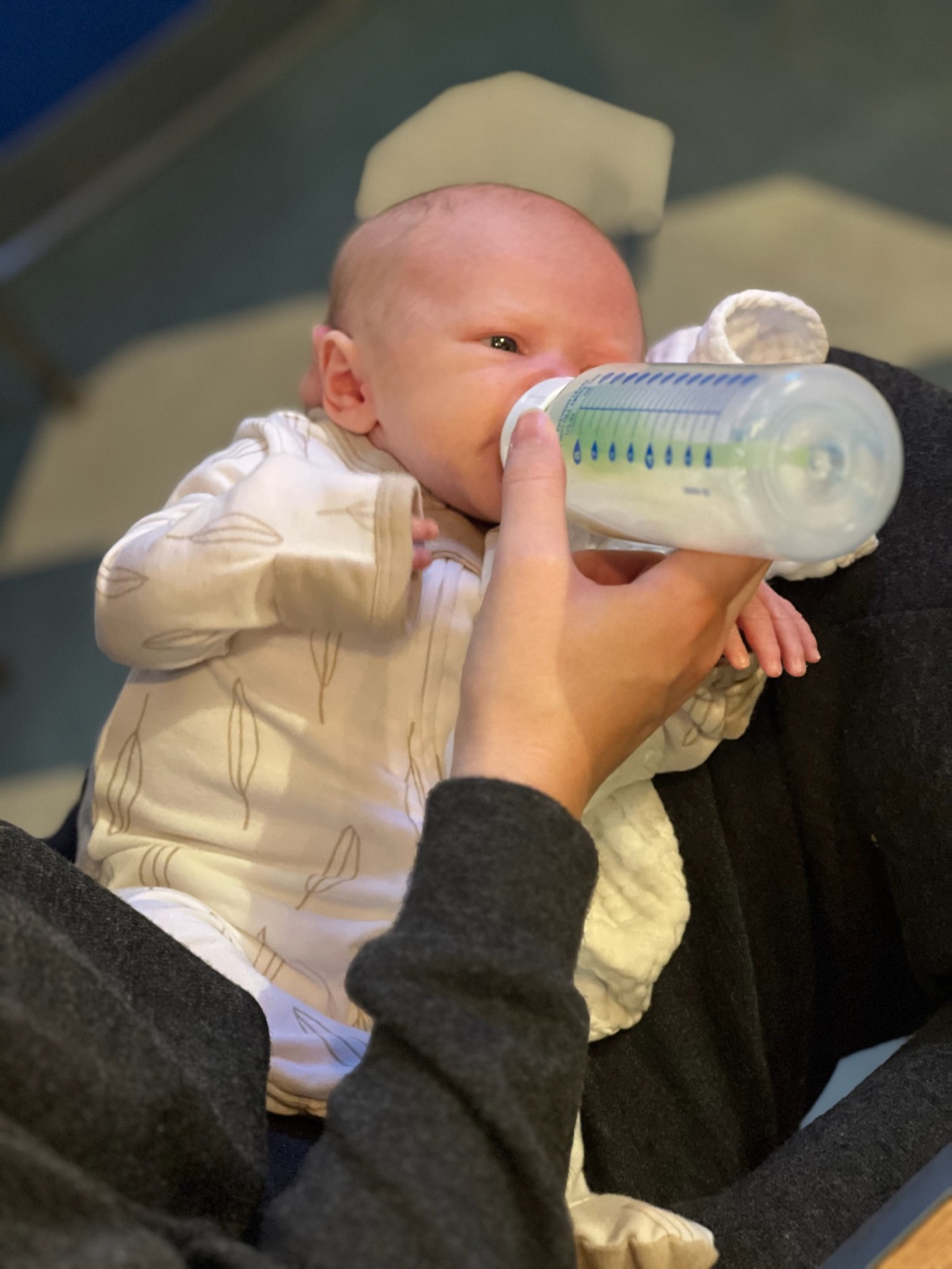
Clicking, Leaking, and Coughing During Bottle Feeds
September 9, 2026
Clicking sounds, milk leaking, coughing, or a baby who tires out during bottle feeds can point to a latch or coordination issue. Here's what these signs may mean.

Signs Your Baby May Need a Feeding Evaluation
September 9, 2026
Not sure whether your baby's feeding needs a closer look? Here are the signs that may point to an infant feeding evaluation, and what to do next.